

Gwangjangmaru
| Completion year | 2026 |
| Site location | 서울 광장동 |
| Site area | 50,910m² |
| Building footprint | 11,177.33㎡ |
| Gross floor area | 15,971.89㎡ |
| Completion year | 2026 |
| Site location | 서울 광장동 |
| Site area | 50,910m² |
| Building footprint | 11,177.33㎡ |
| Gross floor area | 15,971.89㎡ |
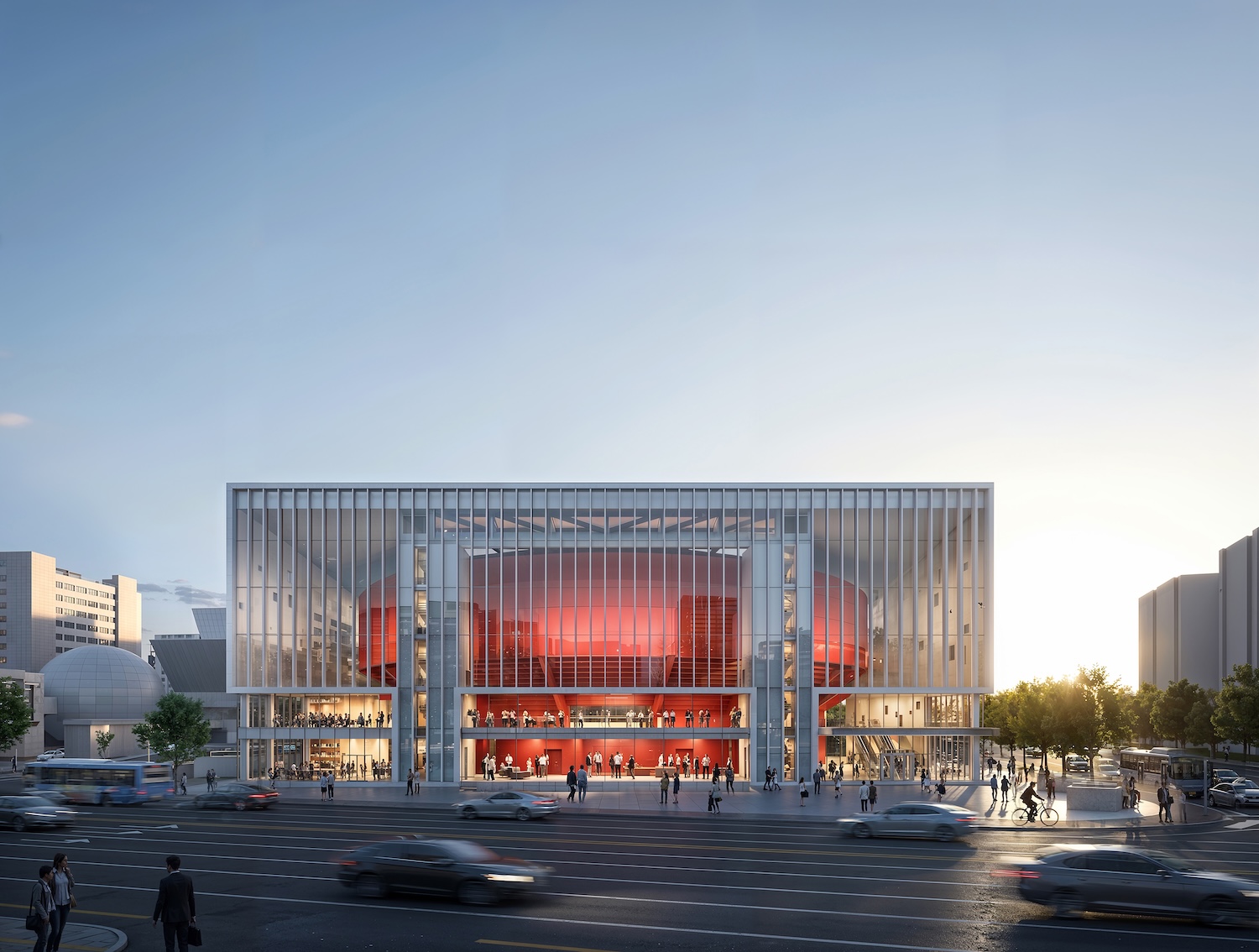
광장마루 – 광장동 복합체육시설
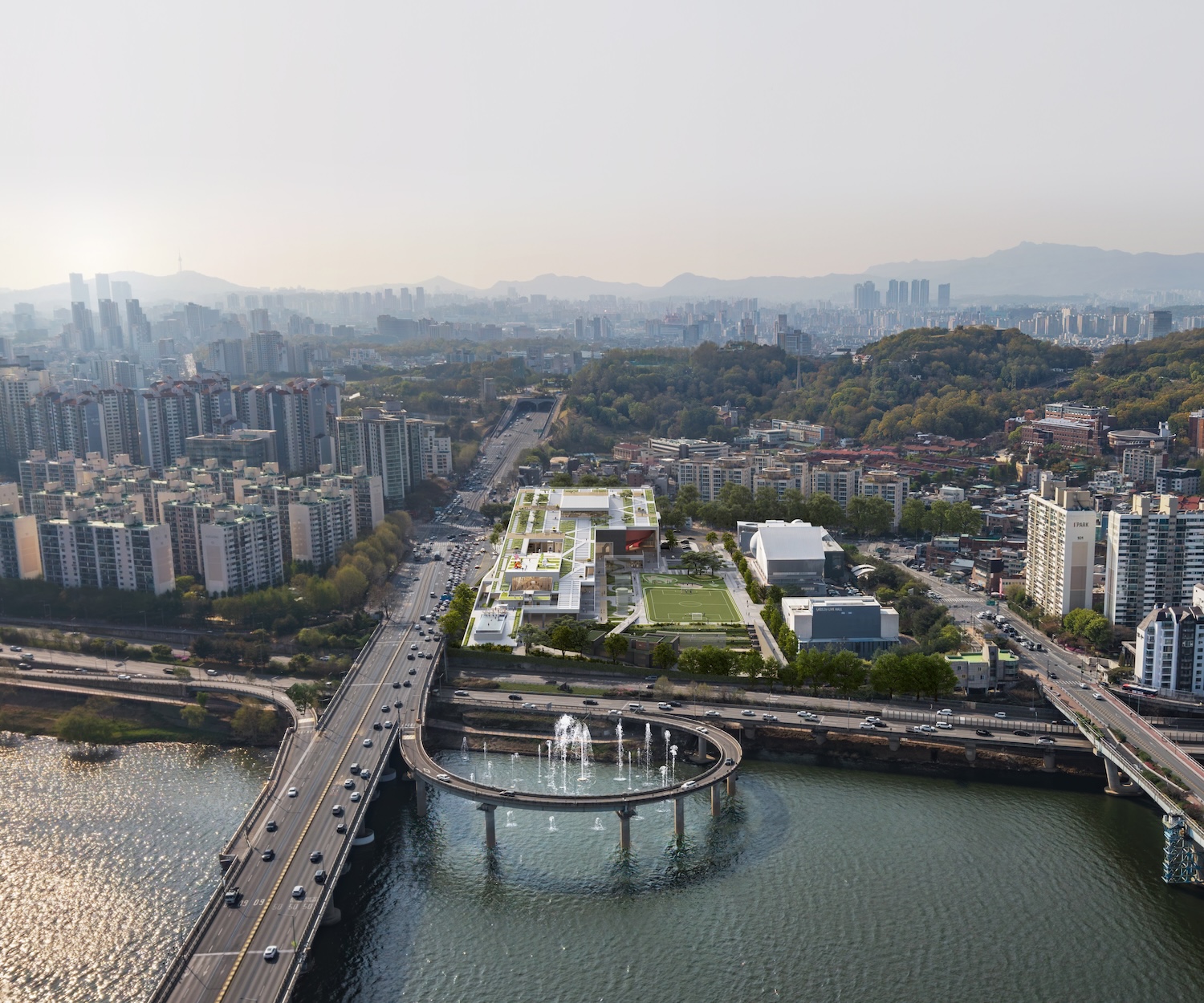
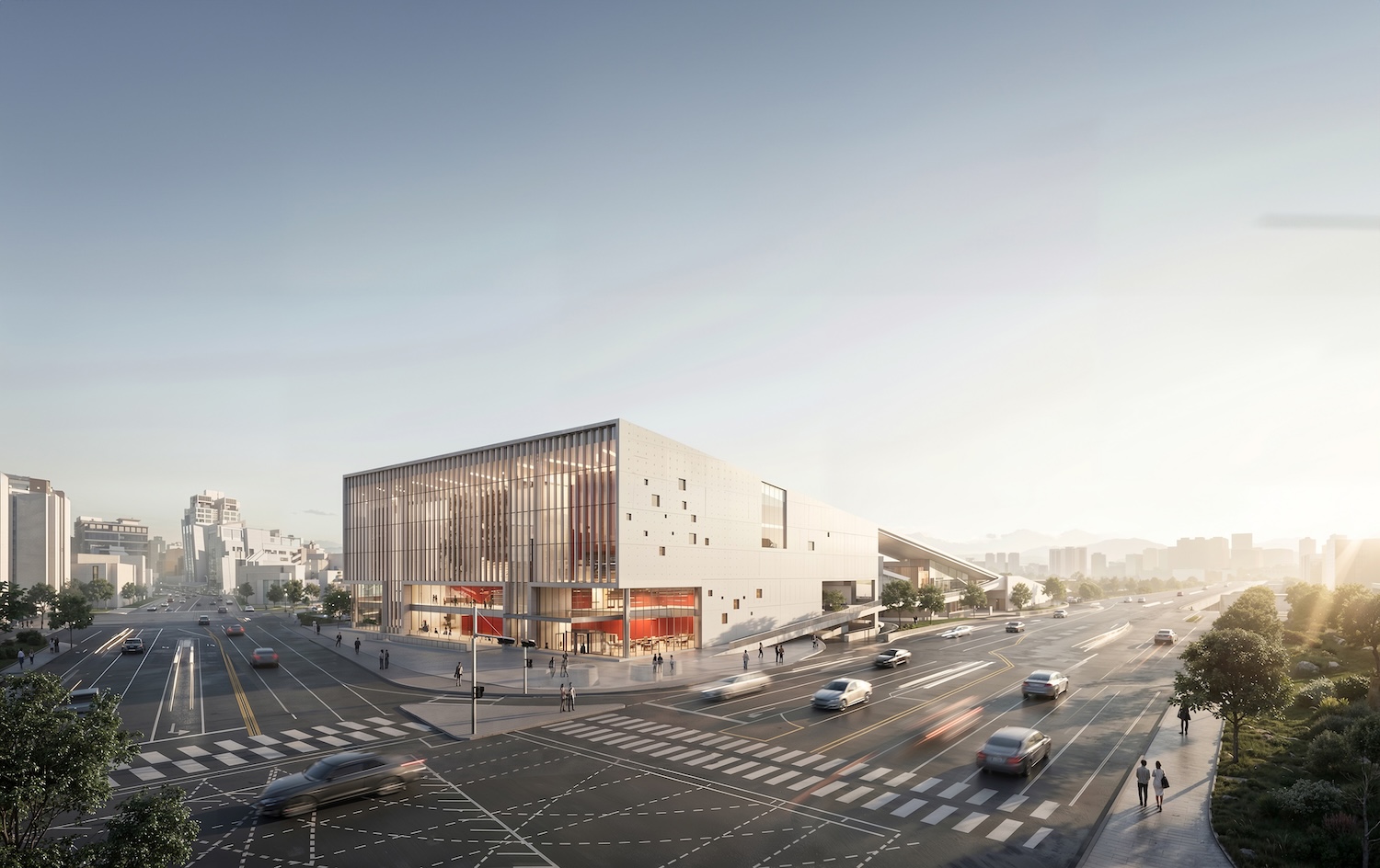
서울 동부의 관문인 광장동은 아차산과 한강이 만나는 곳이다. 오랜 시간 중요한 지정학적 위치를 차지해 왔으나, 오늘날에는 천호대교와 강변북로 등 거대한 교통 인프라에 둘러싸여 도시 속의 공백처럼 남아 있다. 사람들은 이곳을 지나지만 머물지 않는다.
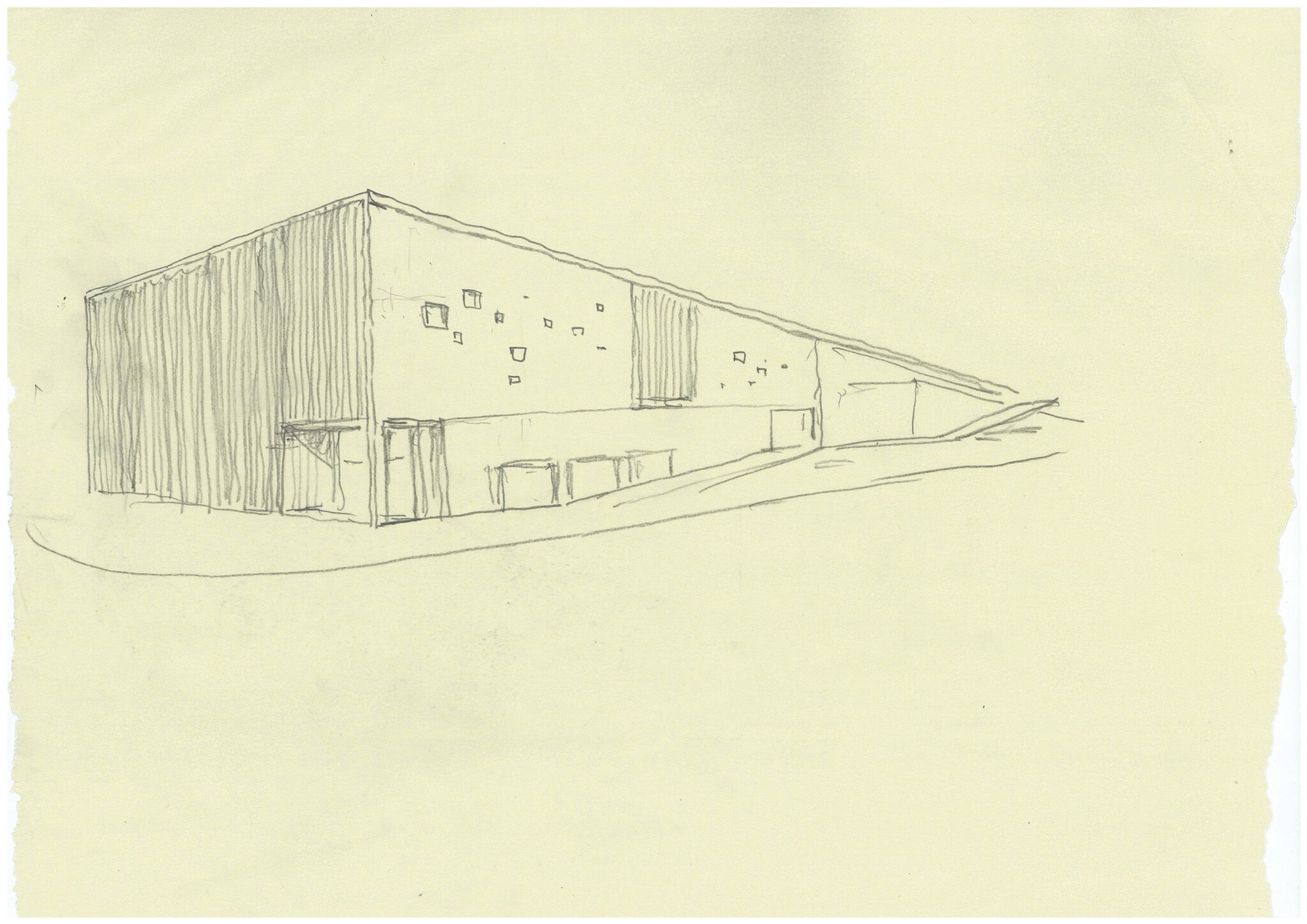
우리는 이 장소가 본래 지니고 있던 자연의 흐름에 주목하였다. 아차산 자락에서 한강으로 이어지는 지형의 흐름과 도시의 축이 겹쳐지는 이 장소의 질서를 건축의 출발점으로 삼았다. 건축은 땅 위에 세워지는 대상이 아니라, 땅의 성질을 드러내는 또 하나의 지형이어야 한다고 믿기 때문이다.
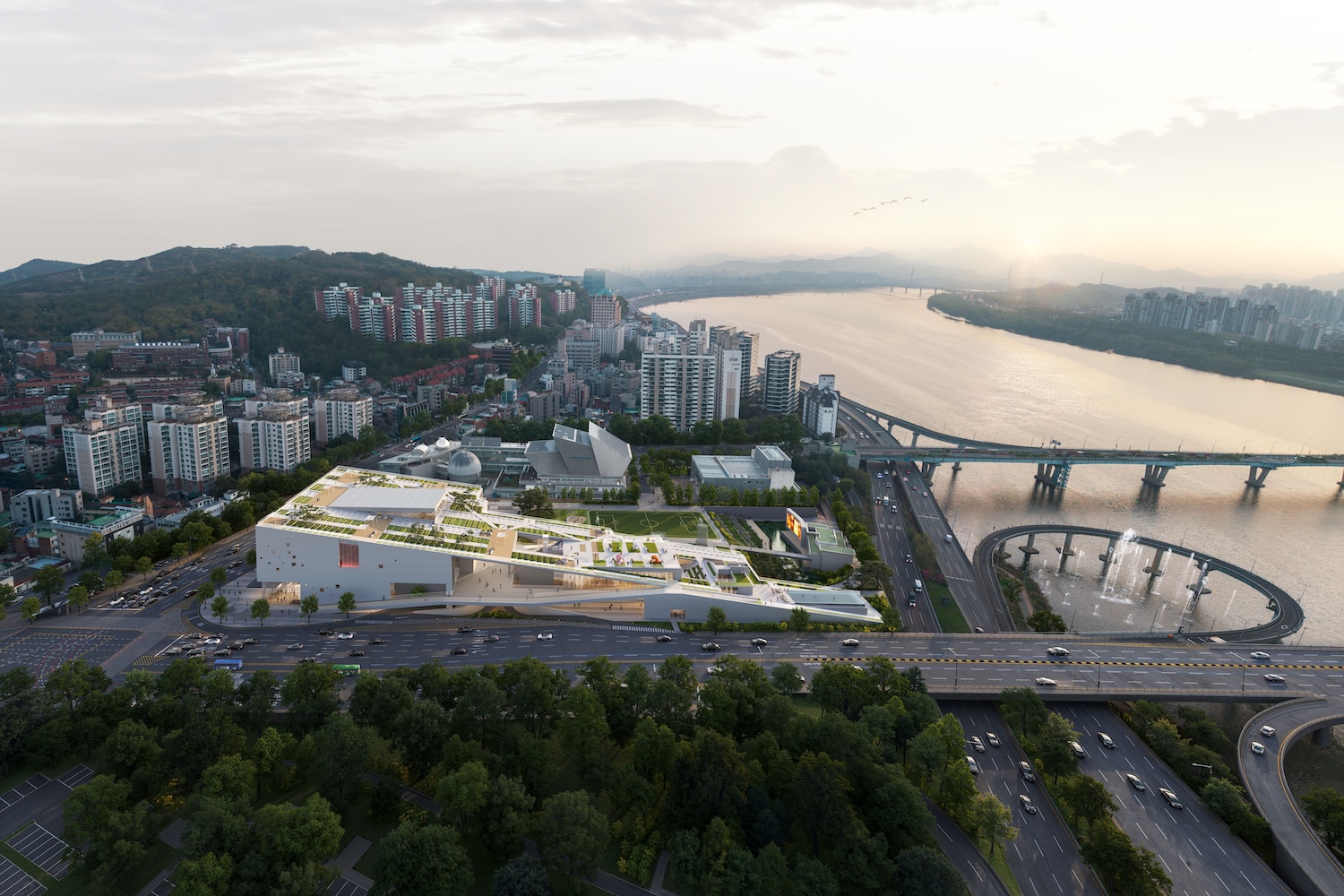
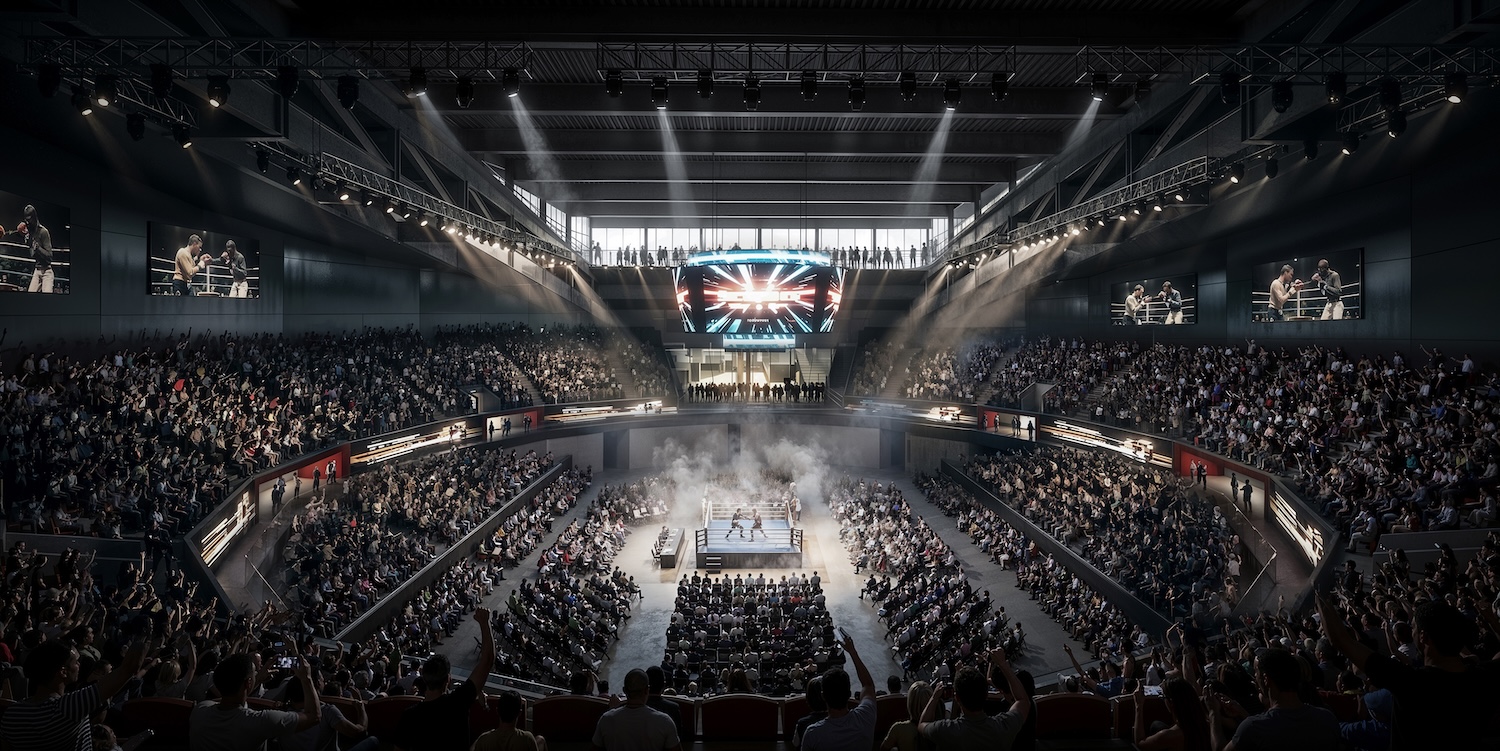
복합체육시설은 단순히 운동을 위한 건물이 아니다. 시민의 일상과 문화가 어우러지고, 다양한 활동과 만남이 이루어지는 공공의 장소여야 한다. 그래서 우리는 건물의 지붕을 새로운 땅으로 만들었다. 완만한 경사를 따라 누구나 쉽게 오를 수 있는 이 공간은 아차산의 능선이 한강으로 흘러내리는 풍경을 닮았다.
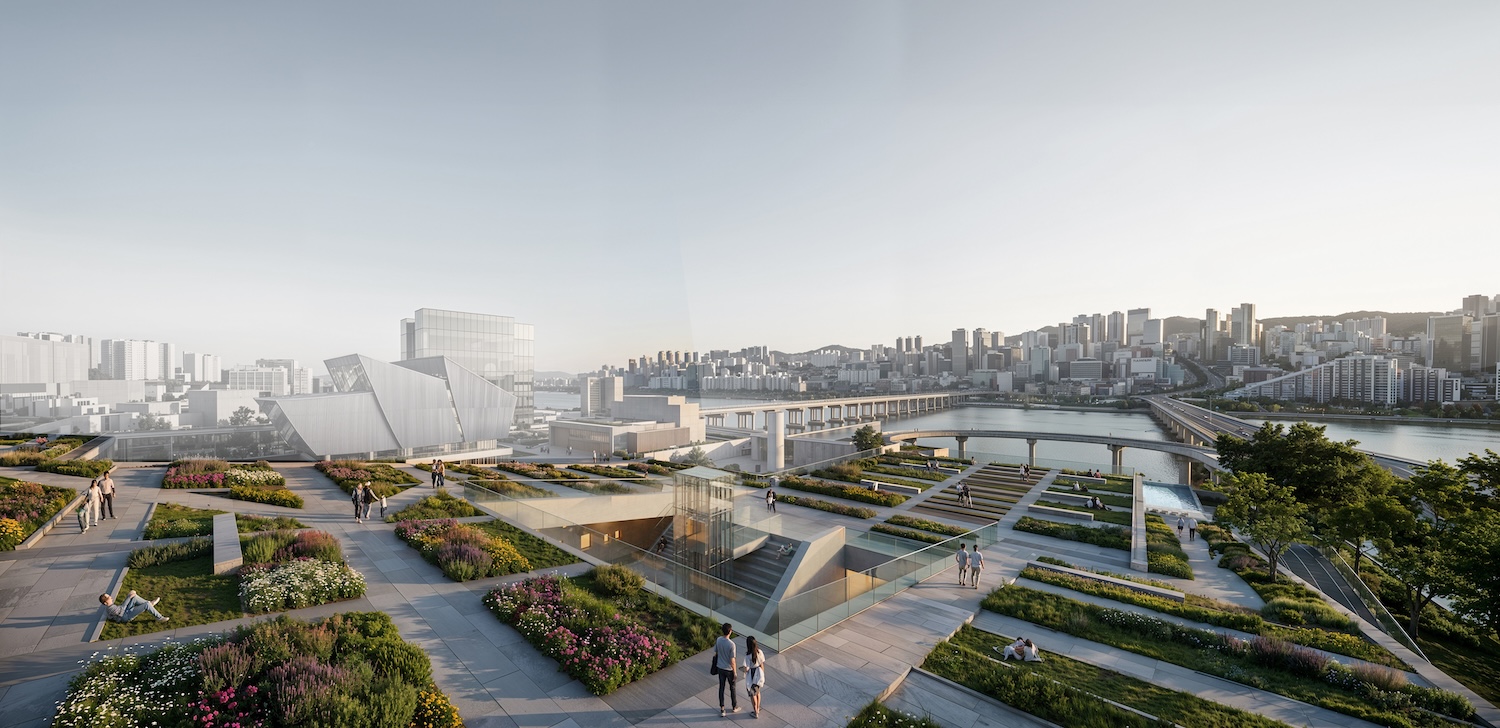
이 새로운 땅 위에서는 운동과 산책, 휴식과 문화활동, 크고 작은 모임이 동시에 이루어진다. 사람들은 이곳에서 한강과 도시를 바라보고, 계절과 빛의 변화를 경험하며, 서로를 만나게 된다. 건축은 시설을 수용하는 용기(容器)를 넘어 공동체를 담는 풍경이 된다.
우리는 이 새로운 도시의 풍경을 ‘광장마루’라 이름하였다. 광장동의 장소성과, 복합이라는 시대적 가치, 그리고 체육시설의 목적이 하나의 풍경으로 만나는 곳이다.
광장마루는 서울 동부의 새로운 공공공간이며, 우리 모두의 선의가 모여 이루는 공동의 자산이 될 것이다.
공동 설계: 에스파스그룹 / 공모전 출품작
Gwangjangmaru – Gwangjang-dong Sports Complex Facility
Gwangjang-dong stands at the eastern gateway to Seoul, where Achasan Mountain meets the Han River. Although it has long occupied an important geographical position, it has gradually become a void within the city—surrounded by major infrastructure yet rarely experienced as a place in itself. People pass through it, but seldom remain.
Our proposal begins with the natural order of the site. The flow of the terrain descending from Achasan Mountain toward the Han River overlaps with the urban axis of the city. We regarded this relationship as the fundamental structure of the project. Architecture, after all, should not be an object placed upon the land, but another layer of landscape that reveals the nature of the ground itself.
A sports complex today must be more than a facility for athletic activities. It should become a civic place where culture, recreation, and everyday life converge. For this reason, we transformed the roof into a new terrain. Rising gently from the ground, it extends the ridgeline of Achasan Mountain toward the river.
On this new ground, exercise and leisure, cultural events and informal gatherings can coexist. Visitors encounter the city and the river, experience the changing seasons and light, and meet one another. The building thus becomes more than a container of functions; it becomes a landscape that accommodates community.
We named this new urban landscape Gwangjangmaru. It is a place where the identity of Gwangjang-dong, the contemporary value of mixed-use public space, and the purpose of a sports facility come together as a single landscape.
Gwangjangmaru aspires to become a new civic ground for eastern Seoul—a shared asset shaped by the goodwill of its citizens.
In collaboration with Espace Group / Competition Entry